Transform Your Space: Premier Sliding Doors Solutions for Style and Functionality
Upgrading a residential area typically demands well-considered design decisions. Professional sliding door solutions present a mix of style and functionality, rendering them a perfect fit for numerous residences. These installations not only elevate appearance but also improve the flow of light and space. Understanding the benefits and options available will considerably impact the overall character of a living space. The information below will lead you through the critical aspects of implementing sliding doors successfully.
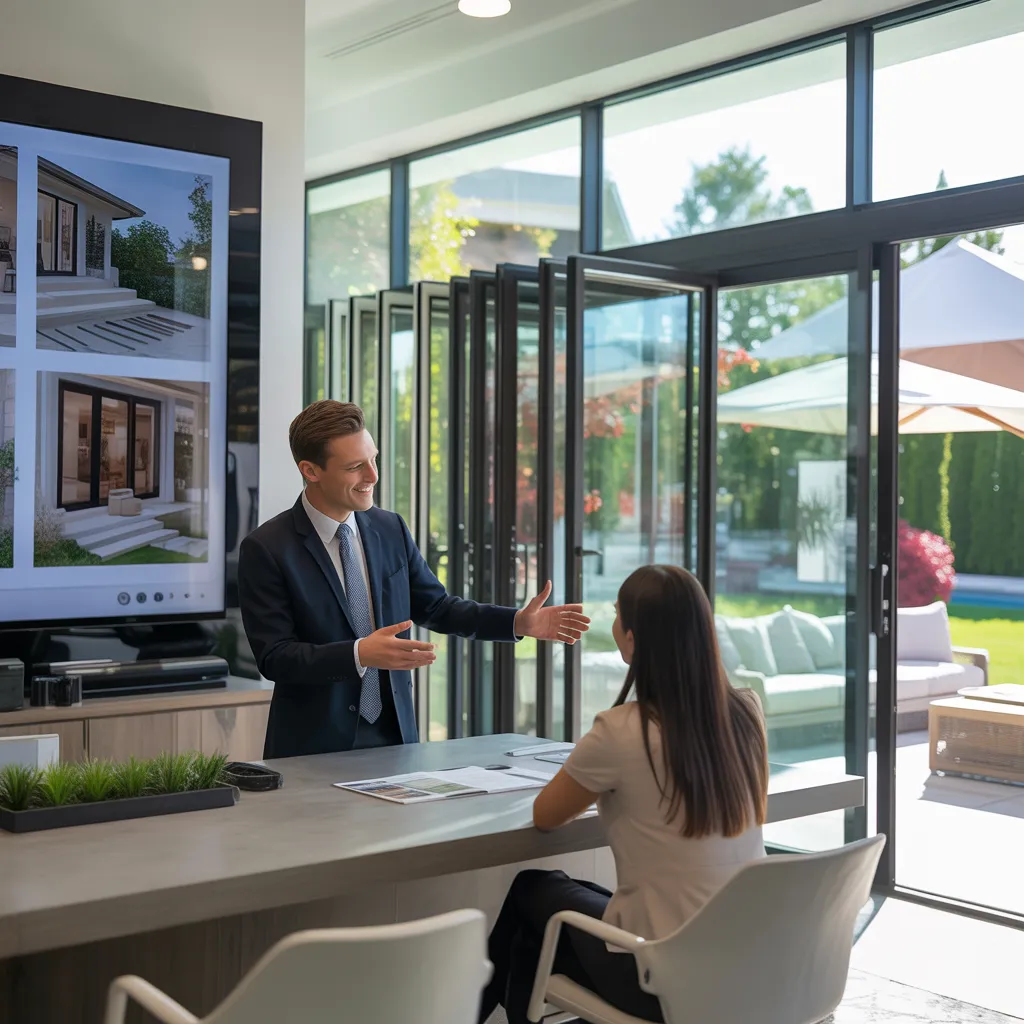
Why Sliding Doors Are Beneficial for Your Home
Sliding doors seamlessly enhance the practicality and visual appeal of a home. They offer a perfect blend of style and practicality, making spaces feel larger and more open. By permitting natural light to fill interior spaces, sliding doors establish a welcoming environment while preserving privacy. Their design often includes large glass panels, which not only enhance room brightness but also deliver unhindered views of the exterior.
Aside from aesthetic appeal, sliding doors provide excellent space efficiency. As opposed to standard copyrightd doors, they need no additional space to swing open, making them ideal for compact areas. Additionally, they facilitate seamless transitions between indoor and outdoor spaces, providing easy access to patios, gardens, or balconies. Many modern sliding doors also feature energy-efficient glass solutions, contributing to improved insulation and reduced energy expenses. All things considered, the incorporation of sliding doors can significantly enhance a home's aesthetic, offering a combination of style and functionality.
Sliding Door Installation: A Guide to What Lies Ahead
When thinking about the installation of sliding doors, selecting the right style is crucial for both appearance and function. Learning about the installation process can assist homeowners in preparing for a seamless changeover. This guide will highlight key considerations and steps involved in the installation of sliding doors.
Picking The Perfect Style
How can one establish the ideal option for sliding door installations? Choosing the most appropriate style requires assessing the complete visual appeal of the area and the functionality demanded. Property owners should evaluate their interior design preferences, whether contemporary, classic, or simple, as this will influence their choice. Materials are critically important; options like hardwood, glazing, or metalwork can elevate both appearance and resilience. Furthermore, the door's configuration—traditional, folding, or built-in—should correspond to the available space and usage needs. Color and finish should harmonize with current furnishings, ensuring a unified appearance. At the core, the ideal sliding door design combines beauty with real-world performance, enhancing the home's ambiance while satisfying routine practical demands.
Summary of the Installation Process
The setup process for sliding doors can greatly influence their performance and durability. Typically, this process begins with a thorough assessment of the available area, verifying precise measurements and alignment with the selected door style. Following the selection of proper materials, the installation professional prepares the entryway, checking for level and structural integrity.
Following this, the track system is set up, and then the door panels, which are skillfully mounted to assure seamless functionality. Accurate installation is crucial to ward off subsequent concerns, such as jamming or shifting. To complete the process, the installation concludes with meticulous assessments and corrections, making certain that the door performs optimally. By implementing these measures, professional installers provide a superior outcome that elevates both design and usability in any room.
Choosing the Right Sliding Door Style for Your Space
What sliding door style works best for a particular space can significantly impact its general appearance and practicality. When choosing a sliding door, it is important to consider the surrounding design elements and the desired use of the door. In modern environments, sleek, frameless glass doors can elevate a minimalist design, allowing for an unobstructed view. On the other hand, rustic spaces might benefit from barn-style doors, which introduce an element of warmth and personality.
In addition, material selection is essential; wood offers a classic appeal, while aluminum frames deliver resilience and a sleek modern touch. Color and finish ought to complement the current color scheme to create a cohesive look. In the end, the selected sliding door should complement the surrounding area, weighing design appeal against practical factors including ease of operation and maintenance. By carefully evaluating these factors, homeowners are able to choose a sliding door that enhances their living space.
How Sliding Doors Enhance Natural Light in Your Home
Sliding doors not only enhance the aesthetic appeal of a space but also play a significant role in maximizing natural light within the home. Their wide glass panels permit sunlight to stream in, producing a bright and welcoming environment. Unlike traditional doors, which can obstruct light and views, sliding doors maintain an unobstructed line of sight to the outdoors, making spaces feel larger and more connected to nature.
In addition, strategically placed sliding doors can brighten areas that might otherwise remain dim, such as corridors or compact rooms. This surge of natural light can foster a more pleasant environment and support a feeling of wellness. Furthermore, a wide range of modern sliding doors incorporate energy-efficient glass, which not only allows light to flood in but also aids in controlling the temperature indoors. In summary, sliding doors serve as a practical and stylish option for improving both the brightness and visual appeal of a home.
Enhance Space Flow and Functionality With Sliding Doors
Incorporating sliding doors into a home's design can substantially boost spatial flow and overall functionality. These flexible elements create seamless connections between rooms, allowing for greater spatial efficiency. As take the first step opposed to standard swinging doors, sliding doors operate on a track, freeing up floor space and creating a sense of spaciousness in tighter areas.
Their capacity to link indoor and outdoor living spaces further contributes to seamless flow. Homeowners can easily access patios or gardens, encouraging a feeling of openness and flow. Moreover, sliding doors can serve as stylish room dividers, enabling flexible layouts that adapt to various needs.
With options available in various materials and designs, sliding doors can complement any design preference, from contemporary to traditional. All things considered, the incorporation of sliding doors not only elevates the visual charm of a home but also optimizes its functionality, making them a valuable addition for any homeowner seeking to improve their living environment.
Maintenance Tips for Long-Lasting Sliding Doors
Keeping up with sliding doors is important for ensuring their durability and performance. A consistent cleaning schedule, along with regular lubrication and alignment checks, can reduce typical complications and improve performance. Applying these upkeep suggestions will enable homeowners to enjoy their doors for years to come.
Routine Cleaning Schedule
A steady maintenance schedule can significantly improve the longevity and efficiency of sliding doors. Consistently eliminating dust and debris from the tracks stops buildup that may impede smooth operation. Using a soft cloth and a mild detergent helps maintain the glass surfaces, providing clarity and aesthetics. It is critical to check and clean the seals and weather stripping to stop moisture buildup and potential damage. Moreover, checking the door frame for any indications of deterioration or grime allows for timely interventions. Creating a cleaning schedule—on a monthly or seasonal basis—can keep sliding doors in optimal shape. By focusing on regular maintenance, homeowners can benefit from the appearance and efficiency of their sliding doors for many years ahead.
Lubrication and Upkeep
Ensuring the seamless function of sliding doors necessitates routine lubrication and care. To maintain peak performance, it is essential to use a silicone-based lubricant on the tracks and rollers. This prevents dust and debris buildup, allowing for effortless sliding. Wiping the tracks clean prior to applying lubricant is strongly suggested, so that dirt cannot hinder the sliding motion. Moreover, examining the rollers for damage and wear is essential; swapping them out when necessary can significantly lengthen the doors' lifespan. Periodically examining metal components for signs of rust or corrosion is also effective in preventing functional issues. By adhering to these upkeep routines, homeowners can keep their sliding doors both functional and attractive for many years.
Essential Alignment Assessments
Consistently performing accurate alignment inspections is vital for the lifespan of sliding doors. Improper alignment can cause performance issues, increased wear, and potential damage. To achieve maximum efficiency, one should check the door's rails and wheels for obstructions, which can hinder smooth movement. Furthermore, checking the door's horizontal and vertical alignment is important; it should rest squarely within the frame. If the door leans or sticks, corrections may be required. This can often require adjusting screws on the rolling components. Conducting these inspections every couple of months can avoid more serious problems in the future. Doing so ultimately improves both functionality and aesthetic appeal. Regular maintenance will contribute to a hassle-free performance and increase the longevity of the sliding doors.
Frequently Asked Questions
What Materials Are Commonly Used for Sliding Doors?
Common materials for sliding doors include wood, glass, aluminum, and vinyl. Each choice presents distinctive aesthetics and usability, enabling homeowners to select choices that perfectly match their interior design while ensuring durability and effortless operation.
Do Sliding Doors Offer Energy-Efficient Solutions?
Sliding doors represent energy-efficient options, most notably when featuring double or triple glazing. Effective sealing and insulation techniques also boost their overall performance, reducing energy loss and maintaining indoor temperatures effectively throughout the year.
How Do I Secure Sliding Doors Against Intruders?
To secure sliding doors against intruders, install a security bar or rod, use a multi-point locking system, fortify glass with protective security film, and think about installing a motion sensor alarm for greater security.
Can Sliding Doors Be Customized for Unique Spaces?
Yes, sliding doors can be customized to fit distinctive spaces. A wide range of sizes, materials, and designs are provided, enabling homeowners to develop practical and visually appealing solutions that elevate both safety and aesthetics in their environments.
What Are the Typical Costs Associated With Sliding Door Services?
Common expenses for sliding door services differ considerably, typically spanning from $500 to $2,500 according to materials used, customization needs, and installation requirements. Additional expenses may include hardware and any necessary structural modifications for unique spaces.
Comments on “Best Options for Professional Door Repair Services”